


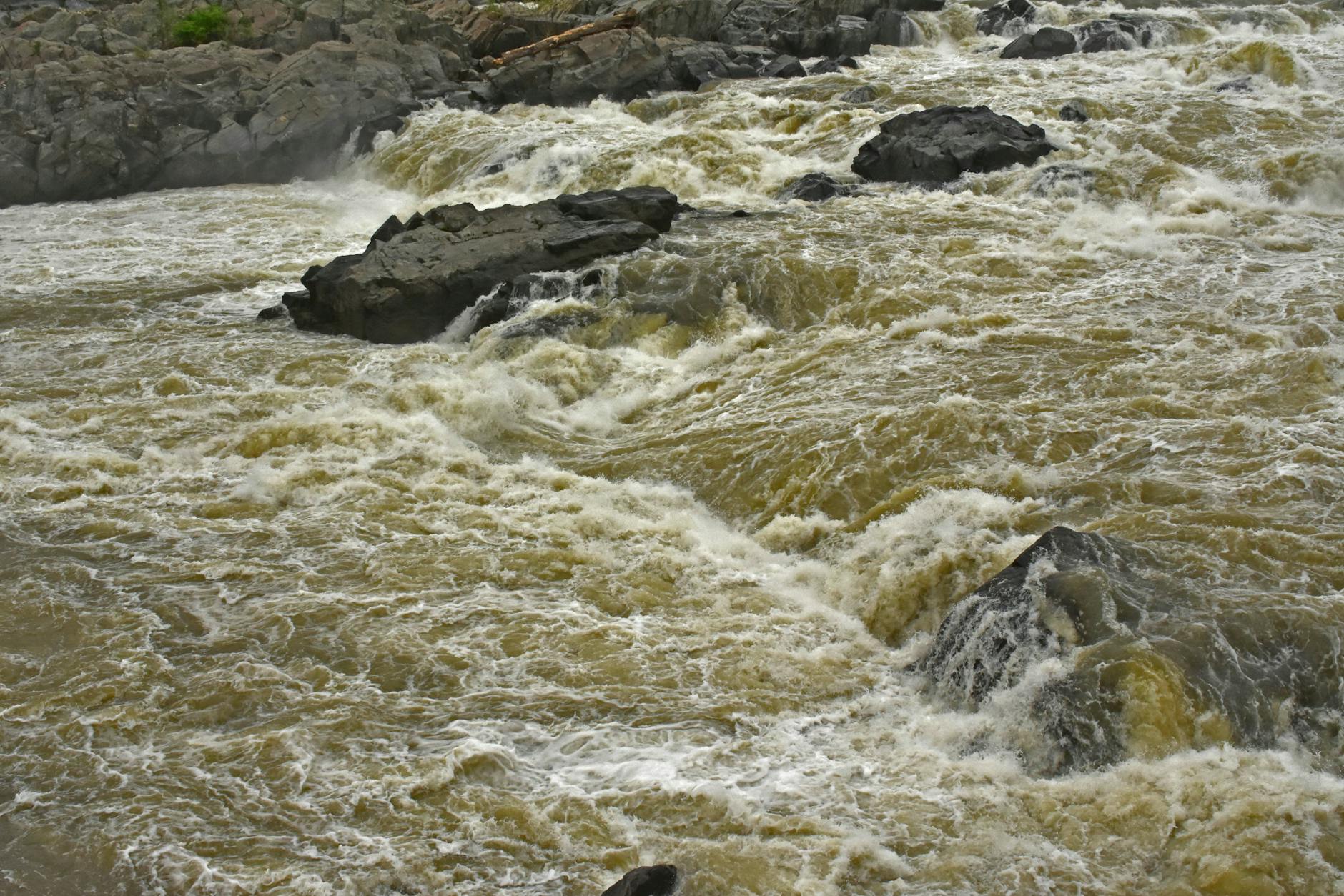
Washington D.C. – February 27, 2026 – After over a month of restrictions due to a severe sewage spill, D.C. health officials are poised to lift warnings on recreational activities along the Potomac River beginning Monday, March 2. This announcement follows successful testing results that indicate acceptable levels of E. coli in the water.
The contamination crisis followed the failure of a DC Water sewer pipe in Maryland, which led to an alarming discharge of 243 million gallons of sewage into the river. The spill occurred on January 19, prompting urgent measures to assess and safeguard the water quality.
Testing & Data Insights
Currently, DC Water has been conducting daily tests of the river’s water quality, reporting levels of E. coli below the Environmental Protection Agency (EPA) recreational thresholds for the past three weeks. “At the actual sewage site, the bacteria levels are still very high. So, of course, please, nobody go right at the sewage site,” emphasized Evan Quinter, a volunteer and water quality coordinator for the Potomac Riverkeeper Network. Quinter adds that bacteria levels improve moving downstream, making it safer for recreational use.
Dr. Ayanna Bennett, Director of D.C. Health, expressed confidence in the efforts to monitor daily water quality, stating, “With that federal support that’s now being offered, we feel like we can have a good long stretch to understand if there’s any new condition to the river that we need to be paying attention to.” Starting Monday, the D.C. Department of Energy and Environment (DOEE) will join in the daily testing efforts, increasing from their previous weekly schedule.
Community and Environmental Safety
Community members and environmental advocates are cautiously optimistic. Quinter noted the importance of expanding testing beyond just bacteria to include nutrient loads and potential future environmental impacts that could arise from the spill. “We’re hopeful that the testing will include not just bacteria, but also testing for nutrient loads,” Quinter said.
However, while D.C. prepares to allow recreational activities, neighboring jurisdictions Maryland and Virginia have not yet lifted their restrictions, which raises concerns for those who frequent the river for fishing, boating, or other outdoor activities.
Outlook for River Recreation
Dr. Bennett reassured locals about the allowed recreational activities during the advisory lift: “Regular activities that are allowed on the river, or of course, any kind of personal boating. People go out and do fishing; people have crew teams that compete on the river. All of those things would be okay to do. It is never legal to swim in the river.”
D.C. officials plan to continue the daily testing for a period of six to eight weeks to ensure the safety and health of the river and its users. The adaptive approach signifies ongoing commitments toward improving water quality and upholding public health standards.
Conclusion
As Washington D.C. moves forward from this environmental crisis, the combination of heightened awareness, rigorous testing, and community involvement will be vital in safeguarding the Potomac River's health for residents and wildlife alike. While optimism prevails, officials urge the public to remain informed and cautious as testing continues.
For more information on the Potomac River and updates on water quality, visit the Potomac Riverkeeper Network.